Pixel Perfection: Reducing Operational Costs via UX
Role
Lead UX/CX Researcher
Team
Cross-functional UX/Data
Duration
Multi-phase Initiative
Industry
Consumer Electronics


Executive Summary
Context: Google Pixel is a flagship hardware product within the Google ecosystem, supported by a global network of call centers and digital help platforms.
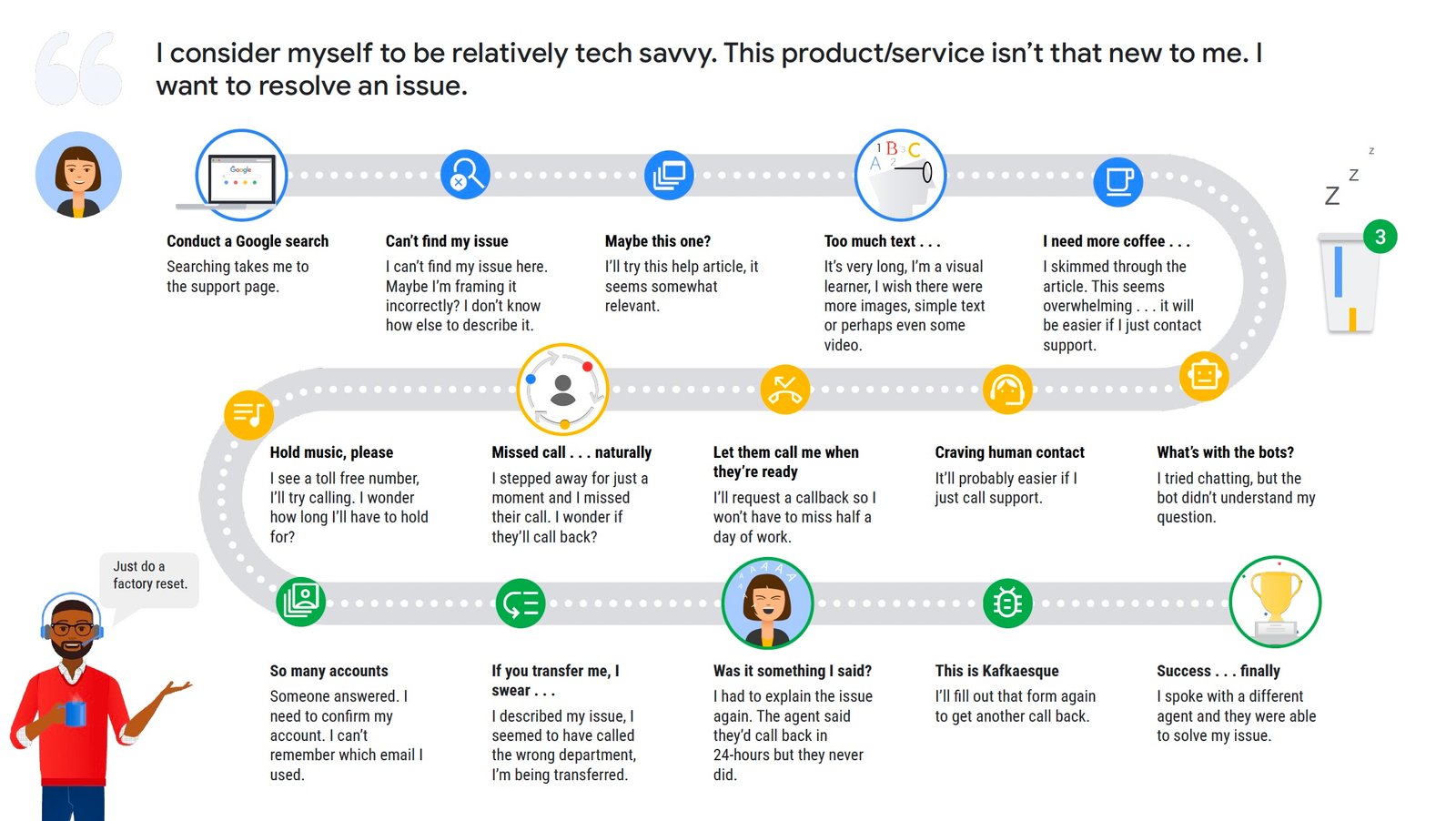
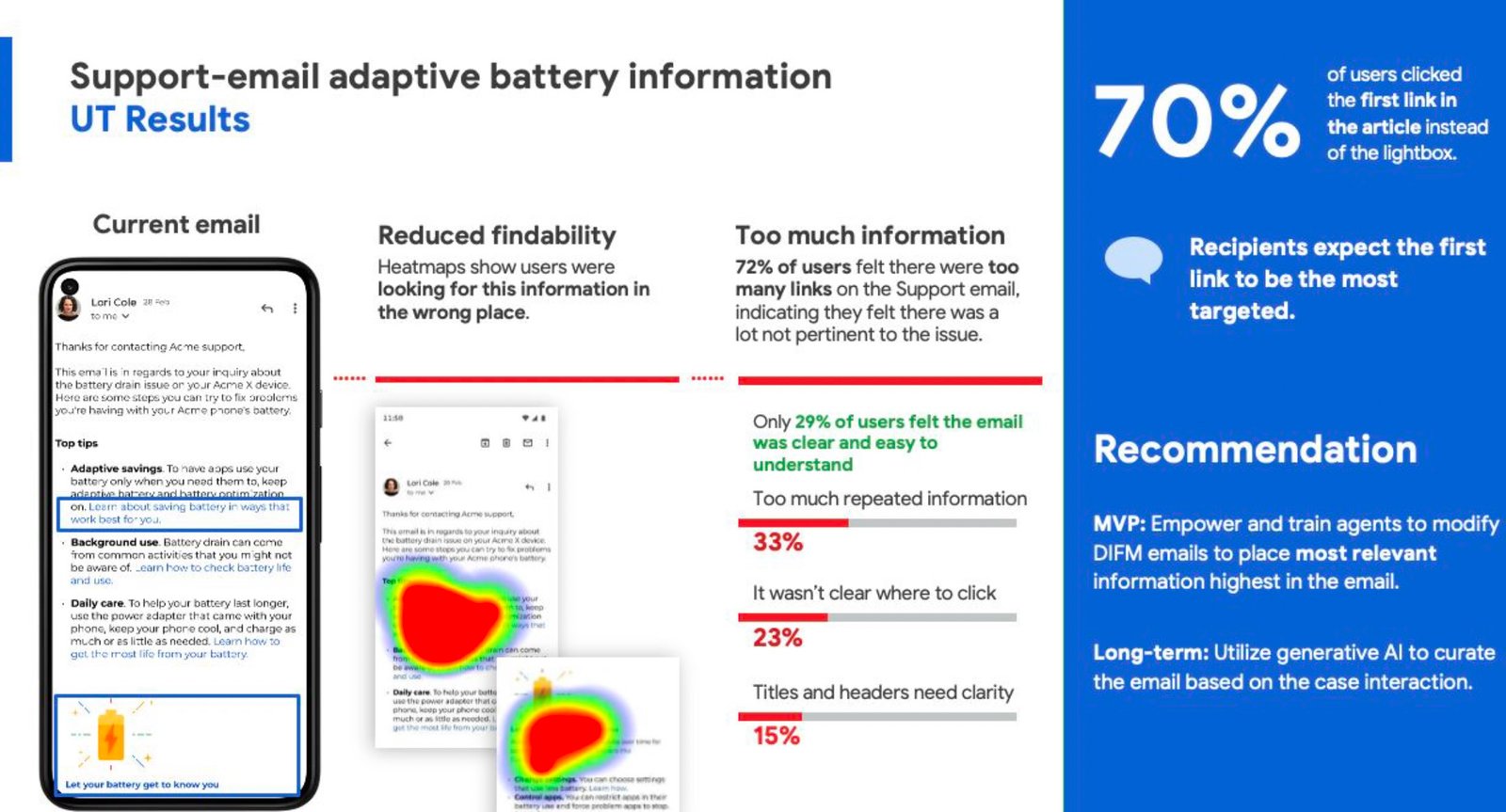
Challenge: High call center costs and customer frustration were spiraling due to "broken" self-service journeys. Users found help articles too text-heavy and often fell into "rabbit holes," forcing them to rely on live agent support.
Approach: Implemented a data-driven UX/CX research initiative using "forensics," journey mapping, and cross-functional data to identify high-friction points in the support funnel.
Outcome: Transformed the support strategy from reactive to proactive, contributing to over $1.3 million in annual savings and significantly improving resolution rates.
Key Methods
- Opportunity Sizing
- Data Forensics
- User Journey Mapping
- Service Blueprinting
Discovery & Constraints
Complexity of Issues
Hardware/software troubleshooting is inherently non-linear, requiring dynamic paths rather than static help articles.
Global Scale
Solutions needed to function across diverse global markets, languages, and various Pixel device models.
Information Density
Balancing technical accuracy with the user’s need for "glanceable," visual information during a high-stress moment.
User Persona & Critical Insights
Engineering empathy into technical troubleshooting journeys.
The Frustrated Troubleshooter
Tech-savvy users who want to resolve issues independently but feel "Kafkaesque" frustration when support loops fail.
The Novice User
Needs high-level visual guidance rather than dense technical documentation during hardware setup or failure.
Discoverability as Trust
Discoverability of the right solution is more important than the volume of available documentation.
Critical Insight
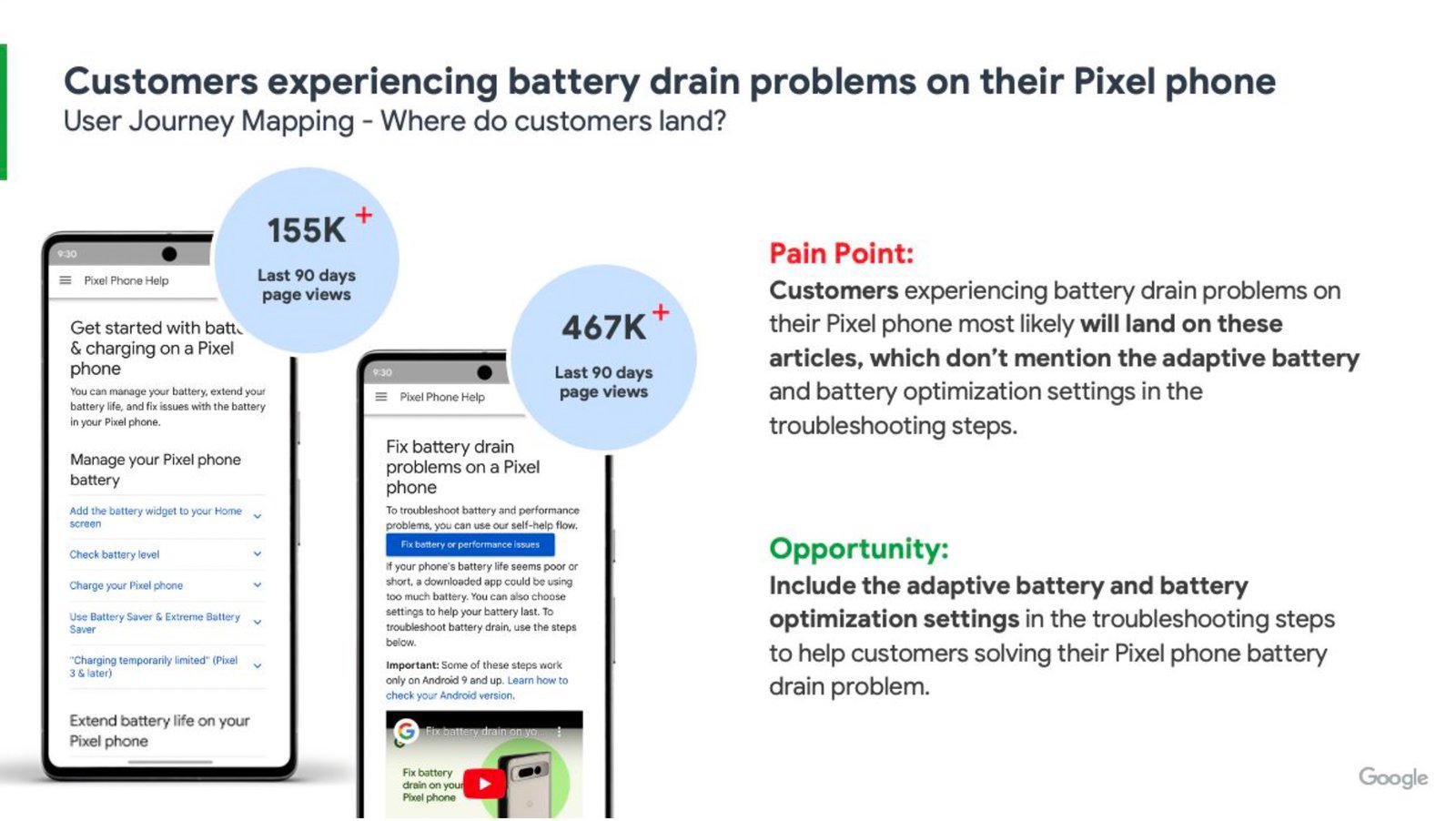
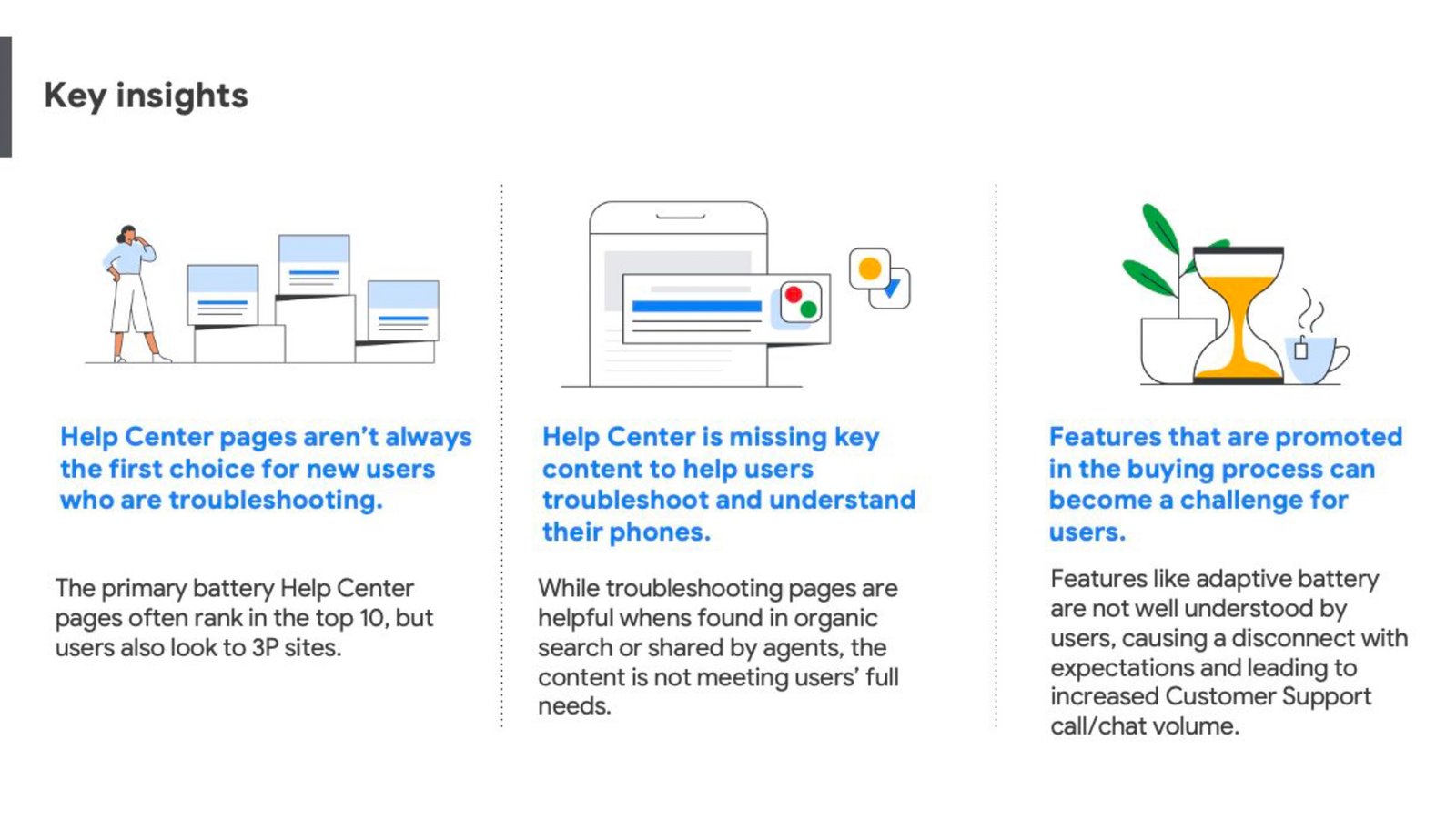
The driver for support volume wasn't a lack of info, but a lack of discoverability.
Strategic Framing
Problem Reframing
Shifting from "Writing Better Help Articles" to "Engineering Self-Service Success."
Empathetic Troubleshooting
Acknowledging user frustration and providing clear, frictionless "exits" from loops.
Visual Clarity
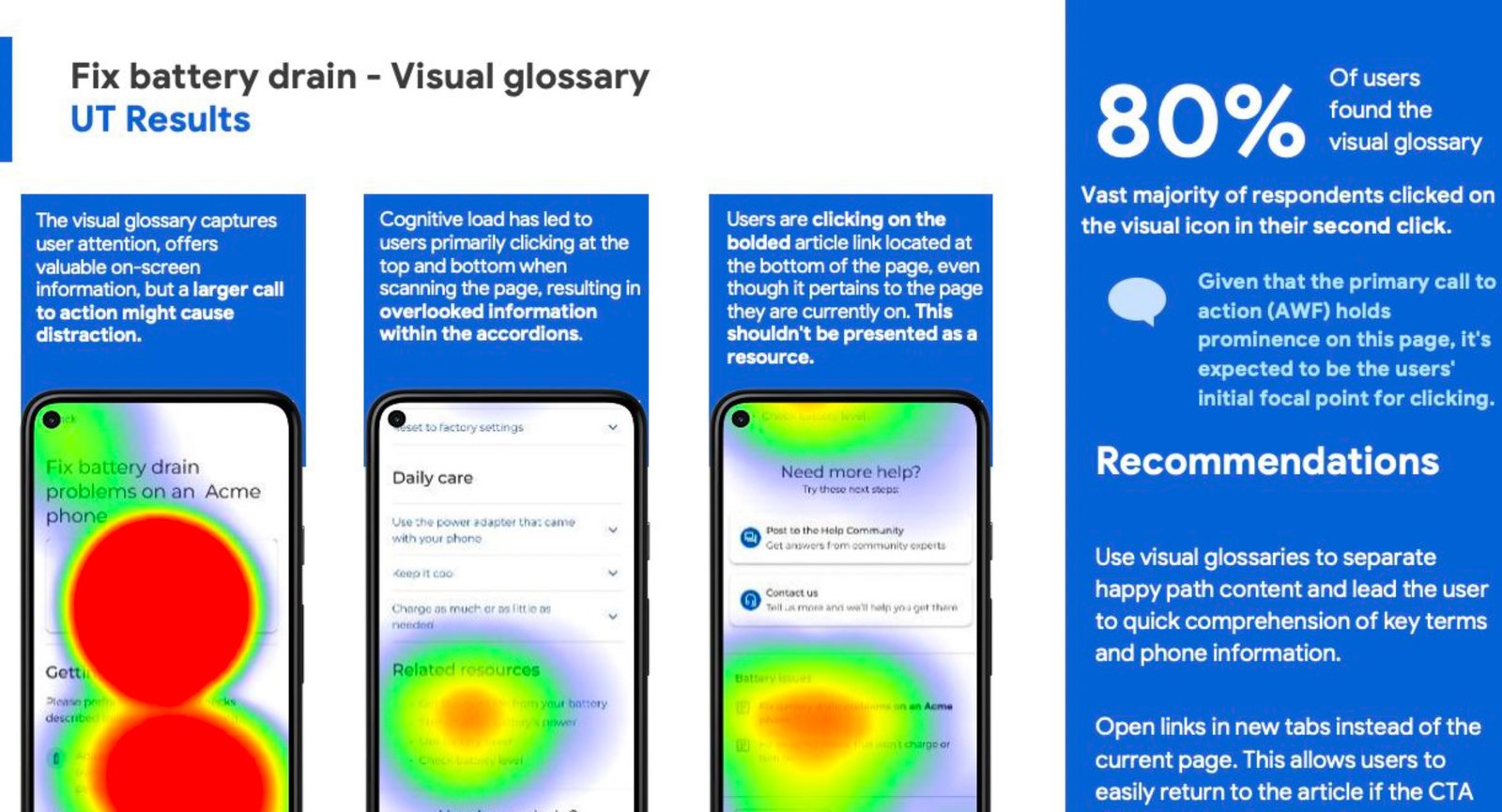
Replacing dense text blocks with visual-first support aids and structured steps.
Data-Backed Prioritization
Focusing design efforts exclusively on the highest-impact support "leaks."
The hypothesis
By streamlining flows and improving accessibility, we can empower users to resolve issues independently and lower overhead.
Key Solutions
Streamlined Troubleshooting Flows
Redesigned the digital support paths to be more intuitive, ensuring users are guided to the most relevant solution based on their specific device and issue.
The Rationale
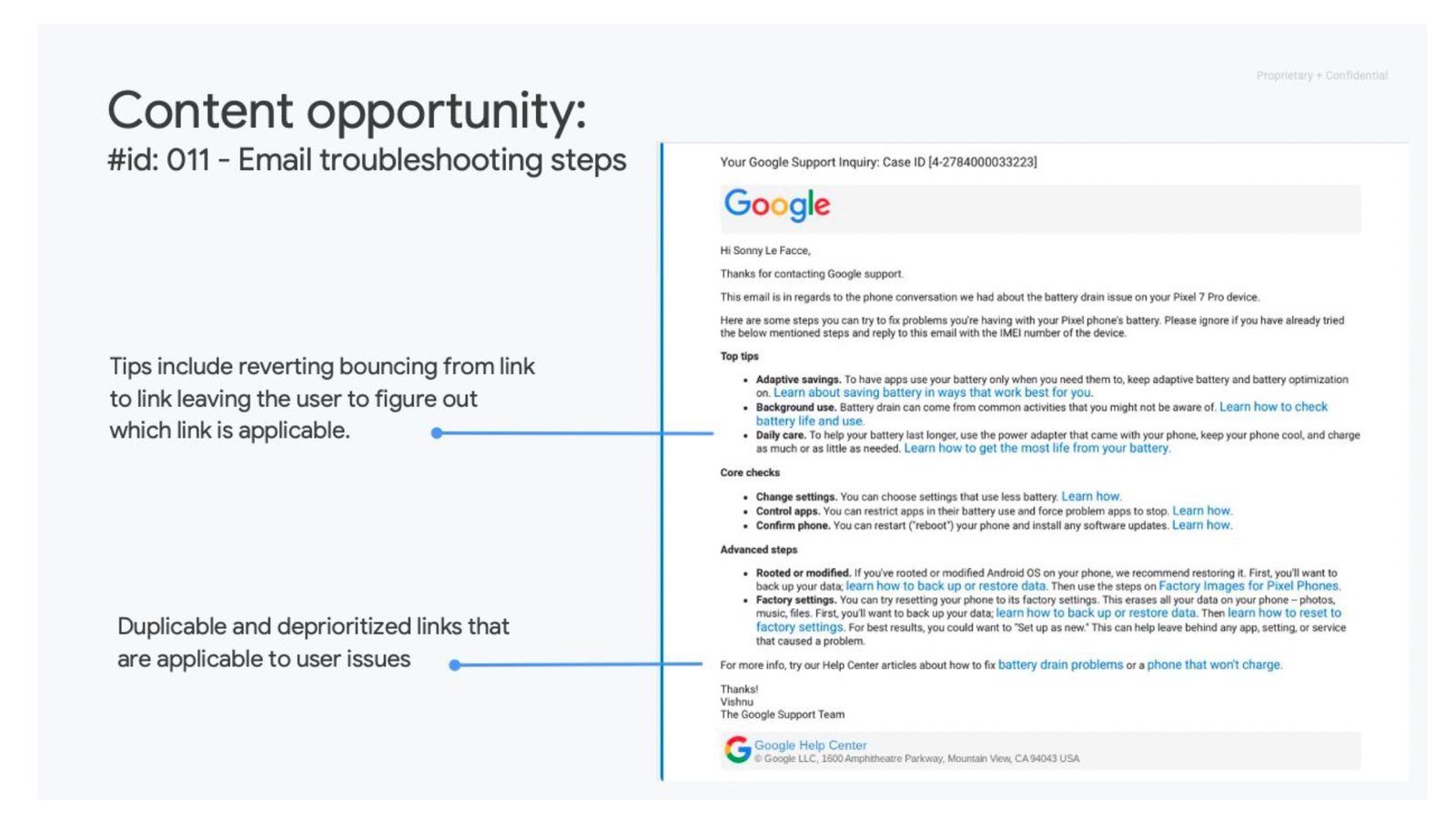
Engineering success into the troubleshooting flow reduces "recursive" searches and prevents users from falling into dead-end help loops.
Visual-First Help Content
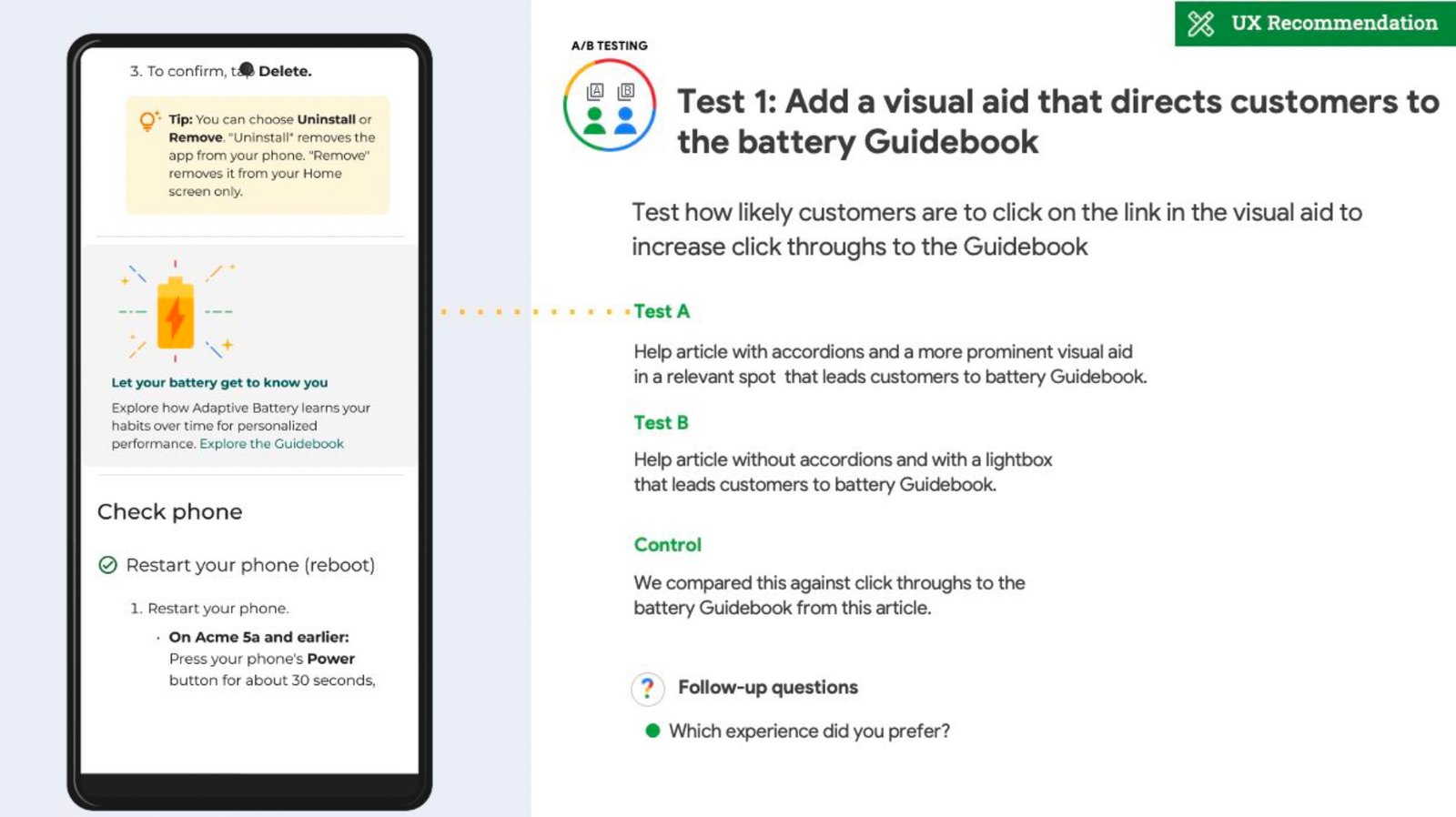
Optimized support pages by reducing text density and introducing visual aids, making technical instructions easier to follow.
The Rationale
Visual aids significantly improve comprehension and reduce the time-to-resolution, especially for hardware-related setup and failures.
Integrated Feedback Loops
Implemented mechanisms to identify "broken journeys" in real-time, allowing the team to iterate on help content based on user friction.
The Rationale
Real-time data allows the support ecosystem to become a living, breathing experience that adapts to new issues and device behaviors.
Impact & Metrics
Driving measurable value at the intersection of user needs and business goals across global markets.
UX is a critical lever for operational efficiency and multi-million dollar cost savings.
This project proved that by engineering success into the support journey, we can transform customer frustration into scalable business value.

Ready to drive similar impact?
Let's connect to discuss how strategic design leadership can transform your complex operations.